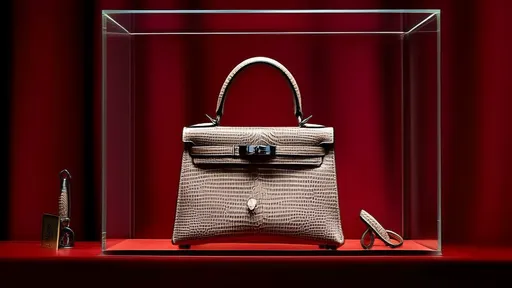
The Hermès Birkin bag has long been the ultimate symbol of luxury, exclusivity, and timeless elegance. Since its inception in 1984, the Birkin has transcended its status as a mere accessory to become a cultural icon, coveted by collectors and fashion enthusiasts alike. In recent years, however, a new trend has emerged within the world of high fashion: the obsession with miniature Birkins. These tiny, meticulously crafted versions of the iconic handbag have taken the collector’s market by storm, sparking a frenzy among those who seek the rarest and most whimsical iterations of the legendary design.
What makes these miniature Birkins so irresistible? For starters, their diminutive size—often no larger than a few inches—adds an element of charm and playfulness to an otherwise serious and status-driven accessory. While a full-sized Birkin is a statement of wealth and sophistication, its miniature counterpart is a conversation piece, a collector’s item that blurs the line between fashion and art. The craftsmanship remains impeccable, with each tiny bag featuring the same attention to detail as its larger sibling: hand-stitched leather, polished hardware, and even miniature versions of Hermès’ signature dust bags and packaging.
The rise of the miniature Birkin craze can be traced back to the growing influence of social media and the desire for unique, Instagram-worthy possessions. In an era where exclusivity is currency, owning a rare micro Birkin—especially one in an unusual color or exotic leather—has become a way to stand out in an oversaturated luxury market. Celebrities and influencers have further fueled the trend, flaunting their tiny Birkins on red carpets and in carefully curated posts. The result? A secondary market where these miniatures can fetch prices rivaling, and in some cases surpassing, those of their full-sized counterparts.
But the appeal of miniature Birkins goes beyond mere aesthetics or social media clout. For many collectors, these tiny treasures represent a more accessible entry point into the world of Hermès. Given the brand’s notorious waitlists and the astronomical prices of its most sought-after bags, acquiring a full-sized Birkin can feel like an impossible dream for all but the most elite clientele. Miniature versions, while still expensive, offer a taste of that exclusivity without requiring the same level of investment—though some rare pieces have been known to sell for tens of thousands at auction.
Hermès itself has leaned into the trend, releasing limited-edition micro Birkins that play with scale and imagination. Some are designed as charms or keychains, while others are purely decorative, meant to be displayed rather than worn. The brand’s playful approach has only heightened their desirability, turning what could have been a passing fad into a full-blown collector’s phenomenon. And with each new release, the hype only grows, as enthusiasts scramble to add the latest iteration to their curated collections.
Yet, the miniature Birkin trend also raises questions about the nature of luxury in the modern age. In a world where the value of an object is increasingly tied to its shareability and novelty, does the allure of these tiny bags lie in their craftsmanship, or in their ability to generate likes and envy? For some, the answer is both. The miniature Birkin is a paradox—a whimsical twist on a classic that somehow manages to feel both irreverent and deeply covetable. It’s a testament to Hermès’ enduring influence that even its smallest creations can command such devotion.
As the demand for these tiny marvels shows no signs of slowing, one thing is clear: the Hermès Birkin, in all its forms, remains the ultimate luxury flex. Whether carried on the arm or displayed on a shelf, the Birkin—big or small—continues to captivate, proving that in the world of high fashion, size isn’t everything. Sometimes, the most powerful statements come in the smallest packages.

By /Aug 13, 2025

By /Aug 13, 2025

By /Aug 13, 2025

By /Aug 13, 2025

By /Aug 13, 2025

By /Aug 13, 2025

By /Aug 13, 2025

By /Aug 13, 2025

By /Aug 13, 2025

By /Aug 13, 2025

By /Aug 13, 2025

By /Aug 13, 2025
By /Aug 13, 2025
By /Aug 13, 2025

By /Aug 13, 2025
By /Aug 13, 2025

By /Aug 13, 2025
By /Aug 13, 2025

By /Aug 13, 2025

By /Aug 13, 2025
